Tender and Deeply Caramelized Stovetop Beef Rendang
Simmering the meat in coconut milk for over an hour breaks down the tough connective tissue, creating a tender and deeply caramelized stovetop beef rendang.
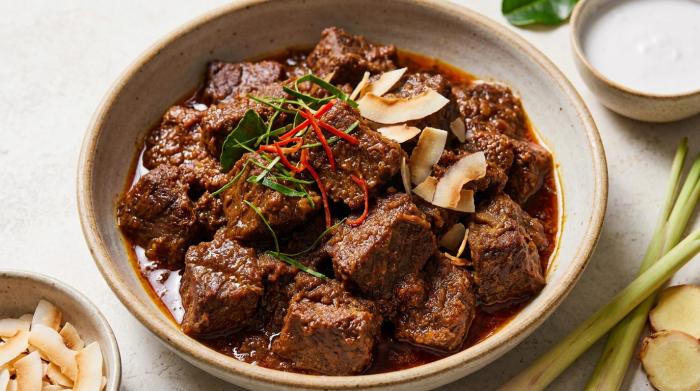
Preparing Tender and Deeply Caramelized Stovetop Beef Rendang requires a steady simmer to break down tough meat. You gently bubble the chunks in coconut milk for 1 hour 15 minutes until completely soft. As the moisture evaporates, separated oils emerge to fry the dish into a dark, thick crust rather than a watery broth.
The beef cuts
Chuck steak works best for this recipe. It has a high fat content that breaks down over the stove. You can also use gravy beef, beef cheeks, or brisket for the Beef and Sauce. Cut the meat into large cubes of about 1.6-inch (4 cm) across. Small pieces disintegrate into mush over the long cooking time. You will notice small shreds in the finished pot that look like coconut. These are actually broken-down pieces of beef.
The Aromatic Paste
Building the Aromatic Paste starts with fresh components. Galangal introduces a specific tart and sharp taste distinct from standard ginger. If you need a replacement, mix an equal amount of ginger with a little ground black pepper. Because this meal cooks for a long time, twelve dried chilies will leave a moderate spice level. You can make a mild version by using just six chilies, and removing the seeds also brings down the heat. Always rehydrate the dried chilies in a large volume of boiling water. Since a low-powered food processor can have trouble breaking them down, chopping the chilies beforehand helps the appliance blend everything smoothly.
Getting the lemongrass ready is quite simple. Just peel away the hard outer shell and slice up the tender white and pale green base for your blender. You also need the bottom half of a separate stalk for the cooking pot, which you should firmly smash with a heavy object to help release the natural oils. If fresh stalks are unavailable, simply blend two teaspoons of lemongrass paste into the aromatics and stir one more teaspoon directly into the coconut milk. To build the rest of the paste, a medium onion of the yellow, brown, or white varieties is a wonderful choice, though half of a large onion or six chopped shallots will do the job just as well.
The cooking stages
You brown the meat in batches before combining everything. You then cook the blended ingredients in oil until the moisture drops. The paste deepens in color during this step.
The hot chili fumes will make you cough. You should avoid breathing directly over the stove.
The simmering period
Tamarind puree gives the liquid a mild tartness. It is milder than pure lemon juice. You can use tamarind pulp soaked in hot water with the seeds removed. You can also substitute two teaspoons of white vinegar, brown vinegar, or lemon juice. Balsamic vinegar adds incorrect flavors and should be avoided. Kaffir lime leaves go into the pot as well. You can use dried kaffir lime leaves if fresh ones are unavailable. Lime juice and lime zest work as a last resort. Fresh leaves freeze without issue for future meals.
You simmer the pot on low heat for 1 hour and 15 minutes. You cover the pot so the liquid bubbles slowly. You might find the meat gets soft before the sauce reduces. You can scoop the beef out temporarily so it does not overcook.
The final sauce reduction
You remove the lid and turn the stove to medium heat for the final phase. The liquid needs thirty to forty minutes to thicken heavily. The coconut oil separates from the milk at this stage.
The beef fries in the oil to develop a dark brown crust. You might find the sauce reduces completely before the meat gets soft. You can add a splash of water and cook the pot a little longer in this case.
Alternative appliances
You can make this dish in a slow cooker or a pressure cooker. A slow cooker cannot reduce the liquid and brown the meat directly. You must sear the meat in a pan, deglaze the pan with water, and cook the food on low for six hours. You then transfer the contents to the stove to reduce the sauce. A pressure cooker requires thirty minutes on high heat and ten minutes of natural release before you finish the liquid on the stove.
Storage and sides
Preparing the Beef and Sauce one or two days before serving deepens the taste. You will also find that the finished meal freezes exceptionally well for future use. Dish up the beef alongside plain white rice or coconut rice when you are ready to eat. A side of lightly pickled sliced cucumbers makes a wonderful accompaniment for the plate.
Tender and Deeply Caramelized Stovetop Beef Rendang
Aromatic Paste
- 1 small onion, finely chopped
- 5 clove garlic, minced
- 1.5 tbsp fresh ginger, minced
- 12 dried chilies, rehydrated in boiling water, or 12 large fresh chilies
- 3 lemongrass stalks, white part only, sliced
- 1.5 tbsp fresh galangal, finely chopped
- 2 tbsp oil, vegetable, canola, or peanut
Beef and Sauce
- 2 lb chuck steak or other slow-cooking beef, cut into 1.6-inch (4 cm) cubes
- 4 large (or 6 small) kaffir lime leaves, very finely sliced
- 1 tbsp brown sugar or grated palm sugar
- 1 tbsp oil, vegetable, peanut, or canola
- 0.25 tsp clove powder
- 3 star anise
- 0.5 tsp cardamon powder
- 1 lemongrass stick, bottom half only, smashed
- 14 oz coconut milk, 1 standard can
- 2 tsp tamarind puree or paste, or tamarind pulp soaked in 1 tbsp hot water with seeds removed
- 0.33 cup desiccated coconut, finely shredded
- 1 cinnamon stick
- 1.5 tsp salt
We may earn a small commission from grocery & equipment links, at no cost to you. Disclosure.
Method
Substitutions
To lower the heat of your Tender and Deeply Caramelized Stovetop Beef Rendang, reduce the chilies in the Aromatic Paste to six or simply remove their seeds.
When fresh galangal is unavailable, replace it in the blended aromatics by using the exact same measure of fresh ginger paired with a little freshly cracked black pepper.
When tamarind puree is unavailable, two teaspoons of white vinegar, brown vinegar, or lemon juice will work nicely for the Beef and Sauce.
Storage
This dish is even better when made one or two days before serving because the savory flavors deepen in the refrigerator.
The finished Tender and Deeply Caramelized Stovetop Beef Rendang freezes exceptionally well for a delicious future meal.
Serving
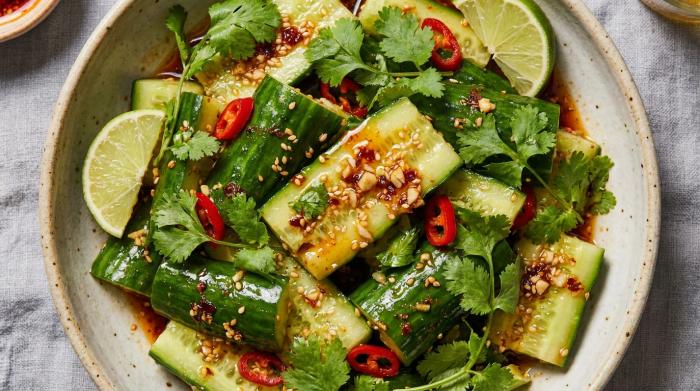
Serve your rich meal alongside fluffy white or coconut rice and a crisp side of lightly pickled sliced cucumbers.
Common mistakes
Make sure you cut your chuck steak into large 1.6-inch (4 cm) cubes so the beef does not shred into mush during the final reduction.
Avoid breathing in the fumes directly when frying the Aromatic Paste, as the hot chili oil will easily induce coughing.
Never use balsamic vinegar as a substitute for tamarind because it will introduce the completely wrong flavor profile to the dish.
Techniques
Peel away the tough outer shell of the lemongrass and use only the softer white base for blending.
Smash the lemongrass stick with a heavy object to release its aromatic oils before dropping it into the Beef and Sauce.
If your liquid reduces completely before the meat becomes perfectly tender, simply add a splash of water and continue cooking.
Always pat your meat dry with a paper towel before searing to ensure a beautiful crust forms instead of steaming in the pot.
Give your cooking pot a few minutes to get properly hot before adding the oil and beef to prevent the meat from sticking to the bottom.
- Store
- This dish is even better when made one or two days before serving because the savory flavors deepen in the refrigerator. The finished Tender and Deeply Caramelized Stovetop Beef Rendang freezes exceptionally well for a delicious future meal.
Can I freeze the leftovers?
Yes, you can easily freeze this meal for future dinners. The finished Tender and Deeply Caramelized Stovetop Beef Rendang freezes exceptionally well.
What if I do not have tamarind puree?
You can substitute it with tamarind pulp soaked in hot water with the seeds removed. If you do not have that, two teaspoons of white vinegar, brown vinegar, or lemon juice will work beautifully. Just avoid balsamic vinegar, as it introduces the wrong flavors.
What can I use instead of fresh kaffir lime leaves?
Dried kaffir lime leaves work perfectly when the fresh ones are unavailable. If neither option is on hand, adding the zest of a single lime along with one tablespoon of lime juice provides a functional alternative.
Is it possible to prepare the dish using a Crockpot?
You certainly can, but you will need to finish it on the stove to get that signature sticky coating. Sear your meat in a pan first, deglaze the pan with water, and cook everything in the slow cooker on low for six hours before reducing the Beef and Sauce in a pot on the stovetop.
Why does my final dish have little shreds that look like desiccated coconut?
Those little pieces are actually bits of broken-down beef that separated during the long cooking time. This is normal, but you can minimize it by cutting your meat into large 1.6-inch (4 cm) cubes so they hold their shape better.
What is the best way to rehydrate dried chilies?
Submerge them completely in a generous volume of boiling water and let them steep until they soften. This plumps them up and makes them much easier to blend into a smooth paste.
How do I know when the cooking oil has separated from the coconut milk?
As the liquid reduces heavily, you will see a clear layer of fat pool at the edges of the pot while the milky sauce thickens into a paste. This separated oil is exactly what you need to beautifully fry the meat during the final stages of cooking.
Add a private note
Private to this device - jot your tweaks, swaps and timings. (Syncs to your account later.)
What to serve with it
See all →


You might also like
See all →




The Friday 3-recipe dinner plan 🧡
Every Friday: three tested weeknight dinners + one shopping list, ready to go. No spam, ever - unsubscribe anytime.