Thick and Hearty Slow-Simmered Spiced Eggplant Curry
A hot 450°F (240°C) oven helps the cut batons hold their shape through a 30-minute simmer for this South Indian Brinjal Curry (Eggplant Curry).
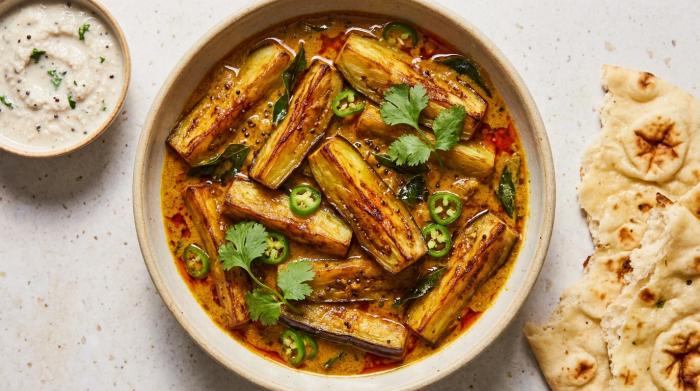
Eggplant needs high heat to hold its shape in a curry. You roast the batons at 450°F (240°C) before simmering them in a spiced tomato base. This technique makes a Rich and Thick Roasted Eggplant Curry with Coconut where the vegetable turns tender but stays intact.
The eggplant
Small to medium eggplants or Asian eggplants work best for this recipe. The skin on each baton helps the cut pieces hold together. A high oven temperature caramelizes the outside while keeping the inside soft. A low oven temperature makes the vegetable soggy before it even hits the sauce. You want browned edges and a tender center. The pieces should still look plump on the baking tray. You can pan-fry the batons over medium-high heat until golden brown instead of roasting them.
Building the spice paste
The primary flavor comes entirely from the spices rather than the tomato or coconut. You start the base by frying black mustard seeds in hot oil. The seeds provide a sharp bite rather than intense heat. You give them about 15 seconds to sizzle in the hot oil. This releases their essential oils. You add fresh curry leaves next. The hot oil unlocks a characteristic aroma that smells similar to standard curry powder blends. You can use ten dried curry leaves or a pinch of garam masala if you cannot find fresh leaves.
You cook down the diced onions, garlic, and ginger until the onions turn a deep golden color. This takes about five minutes over medium heat.
The tomato binds the paste. You can use passata, tomato pulp, hand-crushed canned tomatoes, or tomato paste. You can hand-crush canned tomatoes to create a finer texture for the curry sauce. The ground spices go in last. You must watch the pot closely at this stage. The thick mixture will tighten up into a stiff paste quickly. A burnt spice paste ruins the base sauce. You should take the pot off the heat immediately and add a splash of water if the paste starts to stick to the bottom.
The simmer
The roasted eggplant finishes cooking in the spiced liquid. The batons absorb moisture and partially collapse over 30 minutes of low simmering. You only stir the pot once or twice during this time. You want to keep the eggplant pieces from breaking up completely. You can pour in extra water if the pan dries out.
You stir in a small amount of coconut milk at the very end. The milk adds a smooth mouthfeel without overpowering the dish with coconut flavor. Heavy cream makes an easy substitute if you prefer. The finished liquid should look dense and robustly spiced.
Accompaniments
The final dish yields a thick, juicy, and mushy texture instead of a thin broth. You need side dishes that complement the intense spices.
- Cooked basmati rice serves as the traditional base, though cauliflower rice works as a low-carbohydrate alternative.
- Stuffed flatbreads or plain naan pair well with the thick curry.
- A generous dollop of plain yogurt and fresh coriander leaves cut through the heat.
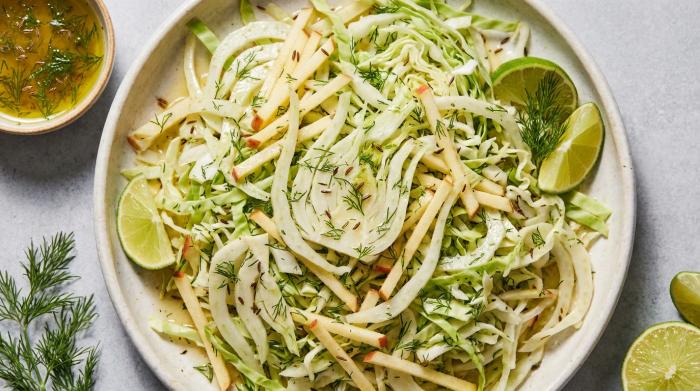
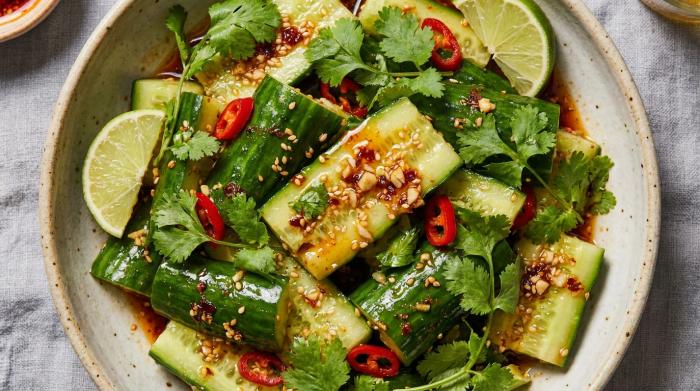
- Fresh salads made with cabbage, carrots, minted yogurt, or cucumbers cool the palate.
- Unadorned, oven-roasted broccolini provides an appropriate vegetable on the side.
Refrigerator and freezer storage
Leftovers remain safe to eat for up to five days when stored in the refrigerator. You can also freeze the cooked curry for longer storage. You must stir the thawed curry gently when reheating. You will break the fragile eggplant down into a complete puree if you stir it aggressively. You can freeze any leftover coconut milk in an ice cube tray for a future meal.
Thick and Hearty Slow-Simmered Spiced Eggplant Curry
Roasted Eggplant
- 1.2 lb eggplant (aubergine), about 2 medium
- 2 tbsp vegetable or canola oil
- 0.5 tsp each salt and black pepper
Curry
- 1 red onion, quartered and thinly sliced
- 3 tbsp passata, tomato pulp, or crushed canned tomatoes
- 1 tbsp grated garlic, about 4 cloves
- 1 tbsp grated ginger, about 1.5 cm piece
- 3 tbsp vegetable or canola oil
- 0.75 tsp black mustard seeds
- 14 fresh curry leaves
- 1.25 cup water
- 3 tbsp coconut milk or full-fat cream
- 0.75 tsp salt
Curry Spices
- 0.25 tsp cardamom powder
- 0.25 tsp ground clove
- 0.25 tsp black pepper
- 0.5 tsp true chilli powder or cayenne
- 4 tsp coriander powder
- 4 tsp cumin powder
Serving
- Cooked basmati rice
- Yogurt, highly recommended
- Fresh coriander or cilantro leaves, optional
- Flatbread or naan, optional
We may earn a small commission from grocery & equipment links, at no cost to you. Disclosure.
Method
Roasted Eggplant
Curry
Serving
Substitutions
If you cannot find fresh curry leaves, you can substitute ten dried curry leaves or a pinch of garam masala.
You can easily swap the coconut milk for heavy cream and serve the meal over cauliflower rice for a low-carbohydrate alternative.
Storage
Store leftovers in the refrigerator for up to five days or freeze the cooked curry for a much longer shelf life.
Pour the rest of the coconut milk into an ice mold and freeze it, giving you small portions ready for later cooking.
Serving
Complement the intense spices of this thick dish by serving it with stuffed flatbreads, a side of roasted broccolini, and a salad made of cabbage and carrots.
Common mistakes
Roasting the eggplant at a temperature lower than 450°F (240°C) will cause the batons to collapse into a soggy mush before they even hit the sauce.
Avoid stirring the curry aggressively when reheating frozen portions so the tender eggplant pieces do not break down into a total puree.
Techniques
Select small or medium eggplants for the best texture. Using smaller vegetables guarantees each baton keeps a strip of skin attached, preventing the pieces from dissolving completely during the 30-minute simmer.
Frying whole seeds and fresh aromatic leaves in hot oil is a fundamental step that unlocks and disperses their essential oils into the dish.
Cutting vegetables into uniform sizes ensures they will roast evenly without leaving some pieces burnt and others undercooked.
- Store
- Store leftovers in the refrigerator for up to five days or freeze the cooked curry for a much longer shelf life. Pour the rest of the coconut milk into an ice mold and freeze it, giving you small portions ready for later cooking.
Do I need to peel the eggplant before roasting?
You should leave the skin on. Keeping a piece of skin on each baton helps the tender eggplant hold its shape during the final 30-minute simmer.
Can I cook the eggplant on the stove instead of turning on the oven?
Yes, you can pan-fry the batons over medium-high heat until they are golden brown. Just ensure they caramelize nicely without becoming overly soft before they hit the sauce.
What can I use if I do not have passata?
You can easily substitute tomato pulp, tomato paste, or canned tomatoes. If you use canned tomatoes, crush them by hand first to create a finer texture for your sauce.
Why did my roasted eggplant turn into a soggy mush?
This usually happens if the oven temperature is too low. You must roast the batons at a high heat of 450°F (240°C) to caramelize the outside quickly while keeping the interior plump and intact.
What should I do with the leftover coconut milk from the can?
Since this recipe only requires a few tablespoons, you can pour the leftover coconut milk into an ice cube tray and freeze it. This lets you conveniently drop small portions into your future meals.
How do I successfully reheat frozen leftover curry?
Thaw the curry completely and warm it gently while stirring as little as possible. Avoiding aggressive stirring is crucial so the fragile eggplant pieces do not break down into a complete puree.
What are the best side dishes to serve with this meal?
Serve this thick dish alongside warm naan or stuffed flatbreads. Simple oven-roasted broccolini serves as a suitable vegetable addition, and you can easily offset the intense spices by offering fresh salads prepared with cabbage, carrots, cucumbers, or minted yogurt.
Why do I need to fry the mustard seeds and curry leaves first?
Frying whole seeds and fresh aromatic leaves in hot oil is a fundamental step in building flavor. This brief sizzle unlocks their essential oils and disperses them evenly throughout the finished dish.
Does it matter how accurately I slice the vegetables?
Yes, taking the time to cut your vegetables into uniform sizes is highly recommended. Consistent sizing ensures they will roast evenly without leaving some pieces burnt and others undercooked.
Add a private note
Private to this device - jot your tweaks, swaps and timings. (Syncs to your account later.)
What to serve with it
See all →
You might also like
See all →


The Friday 3-recipe dinner plan 🧡
Every Friday: three tested weeknight dinners + one shopping list, ready to go. No spam, ever - unsubscribe anytime.