Easy Weeknight Goan Fish Curry with Coconut
Firm white fish stays tender while gently cooking in a thick tomato and coconut base, making this vibrant Goan fish curry a fast weeknight favorite.

You can cook 1.2 lb (600 g) of fresh seafood directly in a thick tomato and coconut base to make this Easy Weeknight Goan Fish Curry with Coconut. The sour tamarind and warm spices coat the meat without burying its natural taste. The stovetop simmer keeps the white fish tender.
Choosing the fish
To survive the bubbling liquid, choose a firm, thick-fleshed white fish. Good options include ling, Spanish mackerel, barramundi, and tilapia. Trout and salmon also possess mild enough flavors to work beautifully in this recipe. Avoid delicate species such as sole, hake, or flathead, as they will disintegrate into the sauce. Extremely oily varieties, including herring or sardines, will easily overpower the dish. Species that tend to dry out quickly, such as marlin, bonito, or kingfish, end up with an unpleasant texture. Because the curry base packs a robust taste, it easily covers up the muddy notes often found in cheaper freshwater catches.
The spices and the paste
Processing the Curry Paste with an immersion blender inside a tall, narrow vessel prevents splattering and makes it simpler to scrape out small batches. The Kashmiri chilli powder delivers a vibrant red hue and mild, slightly smoky notes without bringing excessive heat. If this ingredient is unavailable, combining 2 tablespoons of smoked paprika and 0.5 teaspoon of pure chilli powder or cayenne pepper creates an accurate alternative. To achieve a completely mild meal, replace the Kashmiri spice entirely using only smoked paprika. Cayenne pepper also functions as a direct swap for the pure ground chilli powder. Tamarind puree cuts the richness of the liquid by offering a distinct, subtle sourness. You can mimic that tart consistency by mixing 1 tablespoon of white vinegar and 1 tablespoon of tomato ketchup. While fenugreek powder contributes an aroma reminiscent of maple syrup, it is not strictly essential to the finished dish.
Building the coconut and tomato sauce
Black mustard seeds add a sharp bite similar to mild wasabi. You can use brown or yellow mustard seeds instead. You can also mix 0.25 teaspoon of mustard powder or 0.5 teaspoon of garam masala directly into the paste.
You cook the blended paste in the pan before adding any liquids. This step evaporates moisture and lets the raw spices, garlic, and ginger bloom.
Stir in the tomato paste and the canned tomato pulp, or swap the pulp for tomato passata or canned crushed tomatoes. Cooking these items down concentrates their flavors and removes the extra water. Using full-fat coconut milk creates a richer, thicker base compared to low-fat varieties. A low-fat version leaves the liquid thin and forces you to stir in extra sugar to offset the sour ingredients. Heavy cream, light cream, or evaporated milk can take the place of the coconut milk, but the dish will lose its coconut taste. Expect the sauce to thin out slightly once you drop in the seafood, as the fish releases its own juices while it cooks.
Serving the curry
The raw green chillies go in at the end for visual contrast. They do not add extra heat. You serve this meal with white basmati, jasmine, or brown rice. Cauliflower rice provides a low-carbohydrate alternative.
- Naan and other flatbreads soak up the extra sauce.
- Savory pastries and fried fritters serve as complementary appetizers for this dish.
- Cooling sides like a yogurt and cucumber salad balance the warm spices.
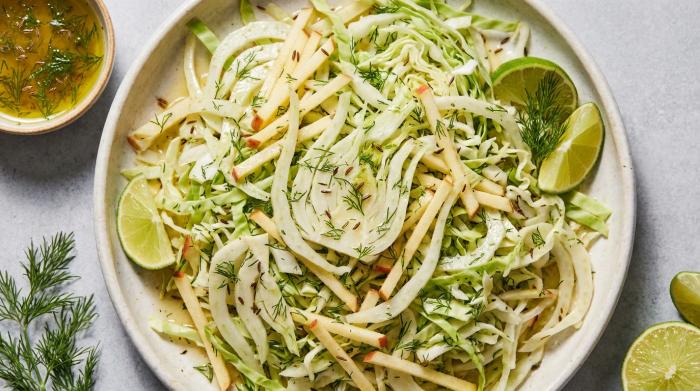
- A coconut cabbage salad provides a refreshing contrast to the warm spices.
Easy Weeknight Goan Fish Curry with Coconut
Curry Paste
- 6 clove garlic, minced
- 1 tbsp fresh ginger, finely grated
- 0.5 red onion, chopped
- 0.5 tsp fenugreek powder
- 0.38 tsp ground cloves
- 2 tbsp tamarind puree
- 6 tbsp water, plus more as needed
- 2.5 tbsp Kashmiri chilli powder
- 1 tbsp coriander
- 2 tsp cumin
- 1 tsp turmeric
Curry Base & Fish
- 1.2 lb firm-fleshed white fish, cut into 1.25-inch (3 cm) cubes
- 0.5 red onion, cut in half again like a quartered orange and thinly sliced
- 1 tbsp tomato paste
- 0.67 cup canned tomato pulp or tomato passata
- 1 tomato, cut into 8 wedges then into 1-inch (2.5 cm) chunks
- 1.5 tsp sugar
- 3 tbsp vegetable oil
- 0.5 tsp black mustard seeds
- 0.67 cup water
- 14 oz full-fat coconut milk
- 1.25 tsp kosher salt or 0.75 tsp fine table salt
- 0.25 tsp pure chilli powder
- 2 long green chillies, halved lengthwise and deseeded, optional
Serving
- Basmati rice
- 0.25 cup fresh cilantro (coriander) leaves
- Finely sliced green chillies, optional
We may earn a small commission from grocery & equipment links, at no cost to you. Disclosure.
Method
Curry Paste
Curry Base & Fish
Serving
Substitutions
Choose a sturdy white fish like barramundi, basa, mahi-mahi, or Spanish mackerel so the cubes remain intact while bubbling in the hot liquid. The strongly spiced tomato and coconut base also does an excellent job covering up the muddy tastes sometimes found in cheaper freshwater fillets.
If you cannot find tamarind puree for the Curry Paste, mix 1 tablespoon of tomato ketchup with 1 tablespoon of white vinegar to recreate its subtle sourness.
Replace the Kashmiri chilli powder in the Curry Paste with 2 tablespoons of smoked paprika and 0.5 teaspoon of cayenne pepper, or use just smoked paprika for a completely mild dish.
Serving
For Serving, present this meal alongside basmati rice and warm naan to soak up the sauce, and offer a cooling yogurt and cucumber salad to contrast the warm spices.
Common mistakes
Do not use an American spice blend labeled chili powder instead of pure ground chilli for the Curry Base & Fish because it will alter the intended flavor profile.
Stick to full-fat coconut milk for the Curry Base & Fish. Low-fat options leave the sauce too thin and force you to add more sugar to offset the tart ingredients.
Avoid using fish prone to drying out like swordfish, highly oily fish like sardines, or delicate fillets like sole that will easily disintegrate into the bubbling sauce.
Techniques
Blending the Curry Paste in a tall container with an immersion blender prevents splashing and helps you easily scrape out every last drop.
Sautéing the pureed Curry Paste before adding the liquids is essential to evaporate excess moisture and allow the raw spices, garlic, and ginger to fully bloom.
The sauce will naturally thin out slightly once the fish is added because the seafood releases its own juices as it simmers.
Gently press a fork into the thickest cube of fish to check for doneness, as perfectly cooked seafood will easily flake apart without resistance.
Pat raw fish dry with paper towels before cubing it to remove excess surface moisture and prevent the pieces from slipping on your cutting board.
Can I use salmon instead of white fish?
Yes, you can substitute trout or salmon since their taste is mild enough for this coconut base. Just slice the seafood into 1.25-inch (3 cm) cubes exactly as you would for other types of fish.
What can I use if I cannot find black mustard seeds?
You can swap them for brown or yellow mustard seeds. If you only have ground spices, mix 0.25 teaspoon of mustard powder or 0.5 teaspoon of garam masala directly into your blended curry paste.
Do I really need to buy fenugreek powder for this recipe?
Fenugreek imparts a lovely scent reminiscent of maple syrup, but it is not strictly essential for the final dish. You can leave it out and still have a rich and flavorful dinner.
Why did my curry sauce become watery at the end of cooking?
The liquid naturally thins out slightly once you add the seafood because the meat releases its juices as it simmers. Make sure you fully cook down the tomato paste and pulp earlier in the recipe to remove excess water before adding your liquid ingredients.
How can I tell when the seafood is fully cooked?
Gently press a fork into the thickest cube of fish in the pot. Perfectly cooked seafood will easily flake apart without any resistance.
Can I freeze leftover fish curry?
You can freeze this meal, but cooked fish often becomes dry and tough when reheated. It is much better to freeze the cooked curry base by itself and gently simmer fresh seafood in the sauce when you are ready to eat.
How long do leftovers last in the refrigerator?
Cooked fish dishes should be kept in an airtight container and eaten within three days. Warm the leftovers gently on the stove over low heat so the seafood does not overcook and turn rubbery.
Add a private note
Private to this device - jot your tweaks, swaps and timings. (Syncs to your account later.)
What to serve with it
See all →



You might also like
See all →




The Friday 3-recipe dinner plan 🧡
Every Friday: three tested weeknight dinners + one shopping list, ready to go. No spam, ever - unsubscribe anytime.